NAD+ has attracted a lot of attention in longevity circles, and some of the underlying biology is genuinely interesting. It is also an area where marketing has moved considerably faster than the human evidence. At Optimal Well MD in Virginia Beach, Dr. Nancy Ferrel and team discuss what NAD+ therapy may offer alongside what remains unproven, so patients can make an informed choice.
Ready to book your NAD+ Therapy appointment in Virginia Beach? We screen first and talk honestly about what the current evidence does and does not support.
Book Your NAD+ Therapy Appointment See NAD+ Therapy details & pricing
What NAD+ Is and Why It Matters
NAD+, or nicotinamide adenine dinucleotide, is a coenzyme present in every cell in your body. It plays a central role in converting nutrients into cellular energy, and it is required for the function of enzymes involved in DNA repair and cellular maintenance.
NAD+ levels decline with age. That observation, combined with NAD+’s role in energy metabolism and repair pathways, is the basis for interest in supplementation. The reasoning is plausible, though a decline being associated with aging does not automatically mean restoring it reverses aging effects.
How NAD+ Is Administered
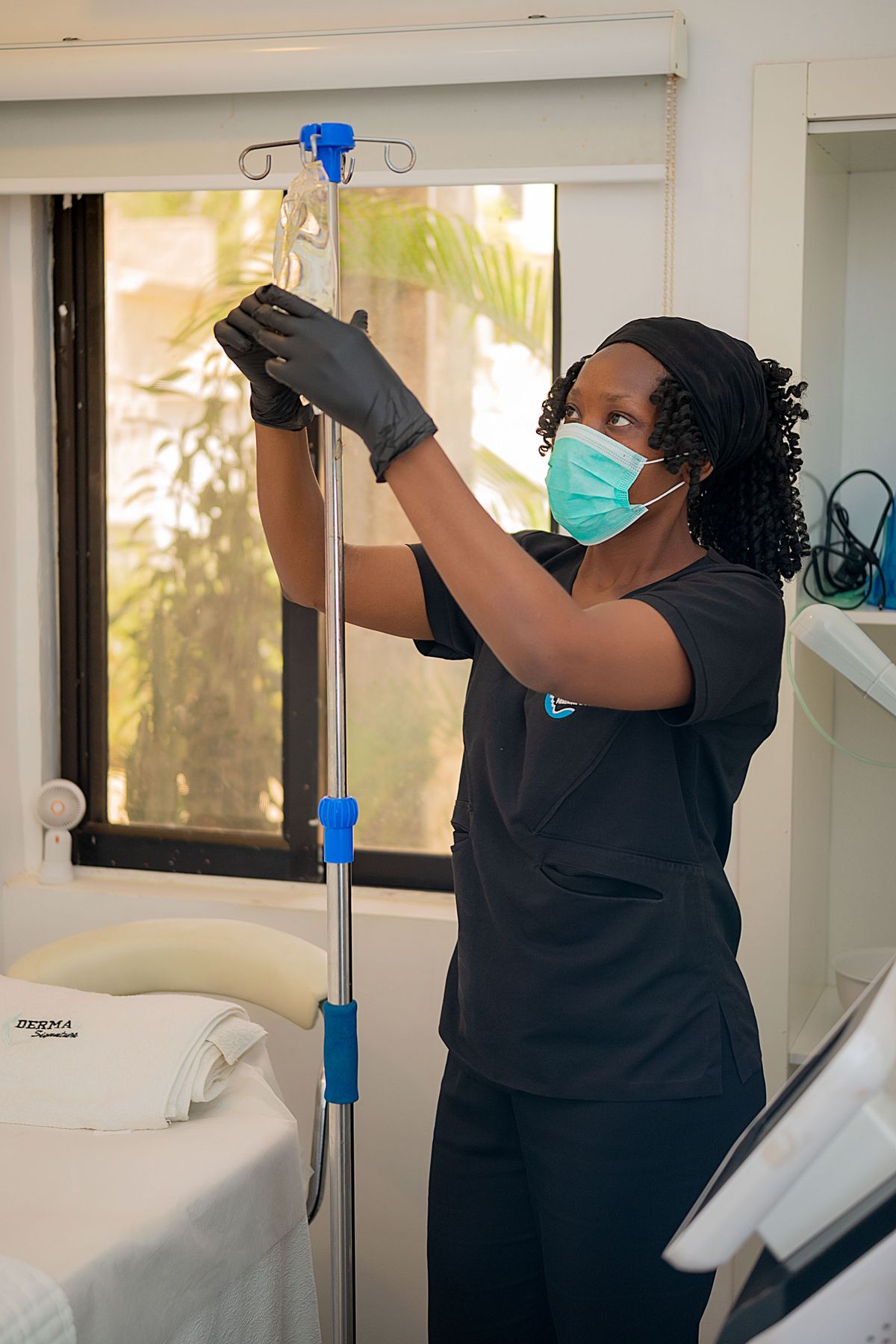
NAD+ can be given as an intravenous infusion or as a subcutaneous or intramuscular injection. Infusions are typically slow, often taking two to four hours, because rapid administration commonly causes uncomfortable side effects.
Injections are quicker and are sometimes used for maintenance between infusions or as a standalone approach. Oral precursors such as nicotinamide riboside and nicotinamide mononucleotide are also available as supplements, though how efficiently they raise cellular NAD+ is still debated.
Our NAD+ injections are provided with medical screening beforehand, since suitability varies.
What People Report
Commonly reported experiences include improved energy, mental clarity, better sleep, and improved mood. Some patients describe feeling sharper in the days following treatment.
These reports are largely anecdotal. Rigorous human trials on NAD+ therapy for energy, cognition, and aging outcomes remain limited, and much of the supporting research comes from cell and animal studies that do not always translate. Placebo effects are meaningful in subjective outcomes like energy and clarity.
There is more established use of NAD+ related compounds in specific clinical contexts, including addiction recovery protocols, though this remains an area of ongoing study rather than settled practice.
Side Effects During and After Treatment
The infusion experience itself is notable. Many patients experience chest tightness, flushing, nausea, abdominal cramping, headache, or a general uncomfortable sensation if the infusion runs too quickly. Slowing the rate typically resolves these, which is why infusions are deliberately unhurried and monitored.
Other possible effects include fatigue afterward, injection or infusion site discomfort, bruising, and lightheadedness. Serious adverse events appear uncommon, but long-term safety data in healthy adults is limited.
Who Should Be Cautious
NAD+ therapy is generally avoided during pregnancy and breastfeeding. Anyone with significant cardiovascular disease should discuss it carefully given the chest tightness some patients experience during infusion.
People with kidney or liver disease, active cancer, or on multiple medications should have a medical review first. Because this is a relatively new area, an honest provider will acknowledge where the safety data is thin rather than implying it is fully established.
Thinking About It Sensibly
NAD+ therapy is best approached as a promising but unsettled area rather than a proven intervention. If you are considering it, it is reasonable to ask what specific outcome you are hoping for and whether there is a better-established way to address it.
Persistent fatigue, for instance, usually warrants a workup for thyroid dysfunction, anemia, sleep apnea, depression, and metabolic issues before turning to infusions. Addressing a diagnosed cause tends to produce more reliable results than supplementing speculatively.
Cost is also worth factoring in, since infusions are typically not covered by insurance and protocols often involve a series rather than a single session.
Discussing NAD+ in Virginia Beach
If you want to understand whether NAD+ therapy is reasonable for you, a conversation that covers your goals, your health history, and the current state of the evidence is the right starting point. Individual responses vary. Dr. Nancy Ferrel and team can talk it through with you. You can contact Optimal Well MD to schedule a consultation.
Book NAD+ Therapy at Optimal Well MD
Physician-led care with Dr. Nancy Ferrel and team in Virginia Beach. Same-week appointments are often available.
This article is for general educational purposes and is not medical advice. Treatments referenced require evaluation by a qualified provider. Individual results vary. Please consult Optimal Well MD or your physician about your specific situation.