GLP-1 medications have changed the conversation around medical weight loss, and for good reason: they work with the biology of appetite instead of relying on willpower alone. If you have heard about semaglutide or tirzepatide and wondered whether this approach could fit your goals, here is how GLP-1 weight loss works and who may be a candidate in Virginia Beach.
Ready to book your GLP-1 Weight Loss appointment in Virginia Beach? We confirm candidacy, then pair medication with protein and strength work to protect muscle.
Book Your GLP-1 Weight Loss Appointment See GLP-1 Weight Loss details & pricing
What Are GLP-1 Medications?
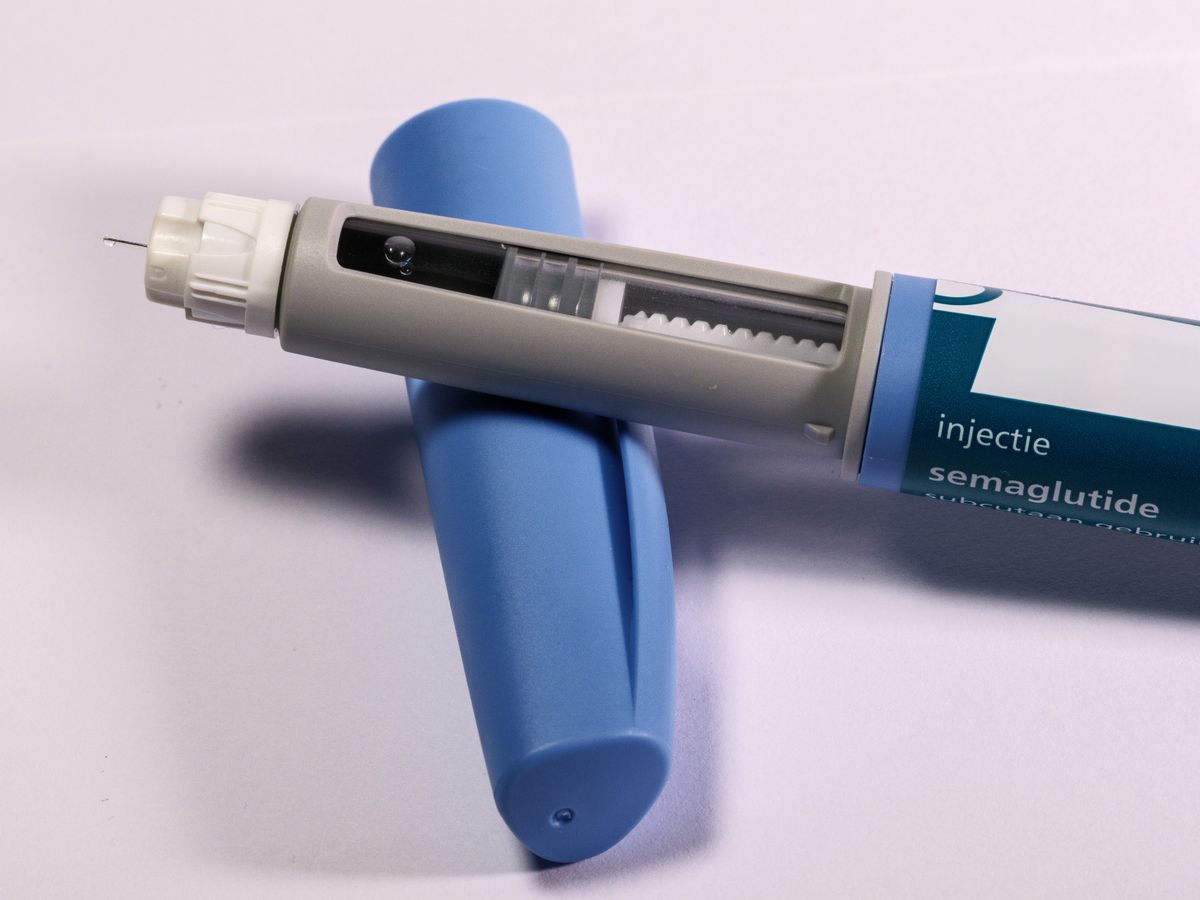
GLP-1 stands for glucagon-like peptide-1, a hormone your body naturally releases after you eat. It signals fullness to the brain, slows how quickly the stomach empties, and helps regulate blood sugar. GLP-1 receptor agonist medications, such as semaglutide, mimic this hormone at higher and steadier levels than the body produces on its own.
Originally developed for type 2 diabetes, these prescription medications are now a cornerstone of medically supervised GLP-1 weight loss programs. Tirzepatide, a related medication, pairs GLP-1 action with a second hormone pathway called GIP.
How GLP-1s Support Weight Loss
Most people describe the effect as a quieting of appetite. Meals feel satisfying sooner, cravings and constant food thoughts fade, and it becomes easier to eat smaller portions without feeling deprived. Because the stomach empties more slowly, fullness also lasts longer after eating.
None of this replaces nutrition and activity; it makes them more achievable. GLP-1 medications are typically taken as a once-weekly injection, started at a low dose and increased gradually, and they work best as part of a structured plan that protects muscle while fat is lost.
Who May Be a Candidate?
GLP-1 therapy is generally considered for adults with a body mass index of 30 or higher, or 27 and higher with a weight-related health condition such as high blood pressure, prediabetes, or sleep apnea. Candidacy is ultimately a medical decision based on your history, current medications, and labs.
These medications are not appropriate for everyone. A personal or family history of medullary thyroid cancer or MEN 2, a history of pancreatitis, and pregnancy or plans for pregnancy are among the reasons a provider may recommend a different approach. This is why treatment begins with a thorough evaluation rather than a prescription on day one.
What to Expect During Treatment
At Optimal Well MD in Virginia Beach, Dr. Nancy Ferrel and team begin with a consultation and lab work, then build a plan around your health picture and goals. Dosing starts low and increases step by step, with regular check-ins to track progress, adjust the plan, and manage any side effects. Expect guidance on protein intake and resistance exercise as well, since preserving muscle during weight loss matters for long-term metabolic health. Progress is typically gradual, and results vary from person to person.
Common Side Effects
The most common side effects are digestive: nausea, constipation, diarrhea, or mild stomach discomfort, most noticeable after dose increases and usually temporary as the body adjusts. Eating smaller meals, avoiding heavy or greasy foods, and staying hydrated can help. More serious side effects are uncommon but possible, and severe abdominal pain should always be reported promptly. Ongoing physician supervision is what keeps treatment both safe and effective.
Getting Started in Virginia Beach
If you are curious whether GLP-1 weight loss is a fit for you, the next step is a conversation. Contact Optimal Well MD to schedule a consultation with Dr. Nancy Ferrel and team and find out whether a medically supervised program makes sense for your health and your goals.
Ready to take the next step? Book your free virtual weight loss consultation online and pick a time that works for you.
Book GLP-1 Weight Loss at Optimal Well MD
Physician-led care with Dr. Nancy Ferrel and team in Virginia Beach. Same-week appointments are often available.
This article is for general educational purposes and is not medical advice. Treatments referenced require evaluation by a qualified provider. Individual results vary. Please consult Optimal Well MD or your physician about your specific situation.