Botox and Dysport do the same fundamental job: they temporarily relax the muscles that create expression lines. The differences between them are real but subtle, and they mostly come down to onset, spread, and how each product suits a particular area of the face. At Optimal Well MD in Virginia Beach, Dr. Nancy Ferrel and team help patients decide which is the better fit rather than treating them as interchangeable.
Ready to book your Botox or Dysport appointment in Virginia Beach? We map your facial anatomy first, then choose the product and dose that fits your goals.
Book Your Botox or Dysport Appointment See Botox or Dysport details & pricing
What Both Products Are
Botox and Dysport are both botulinum toxin type A injectables, often called neuromodulators or wrinkle relaxers. Each works by temporarily blocking the nerve signal that tells a muscle to contract. When the muscle relaxes, the overlying skin creases less, and dynamic lines soften.
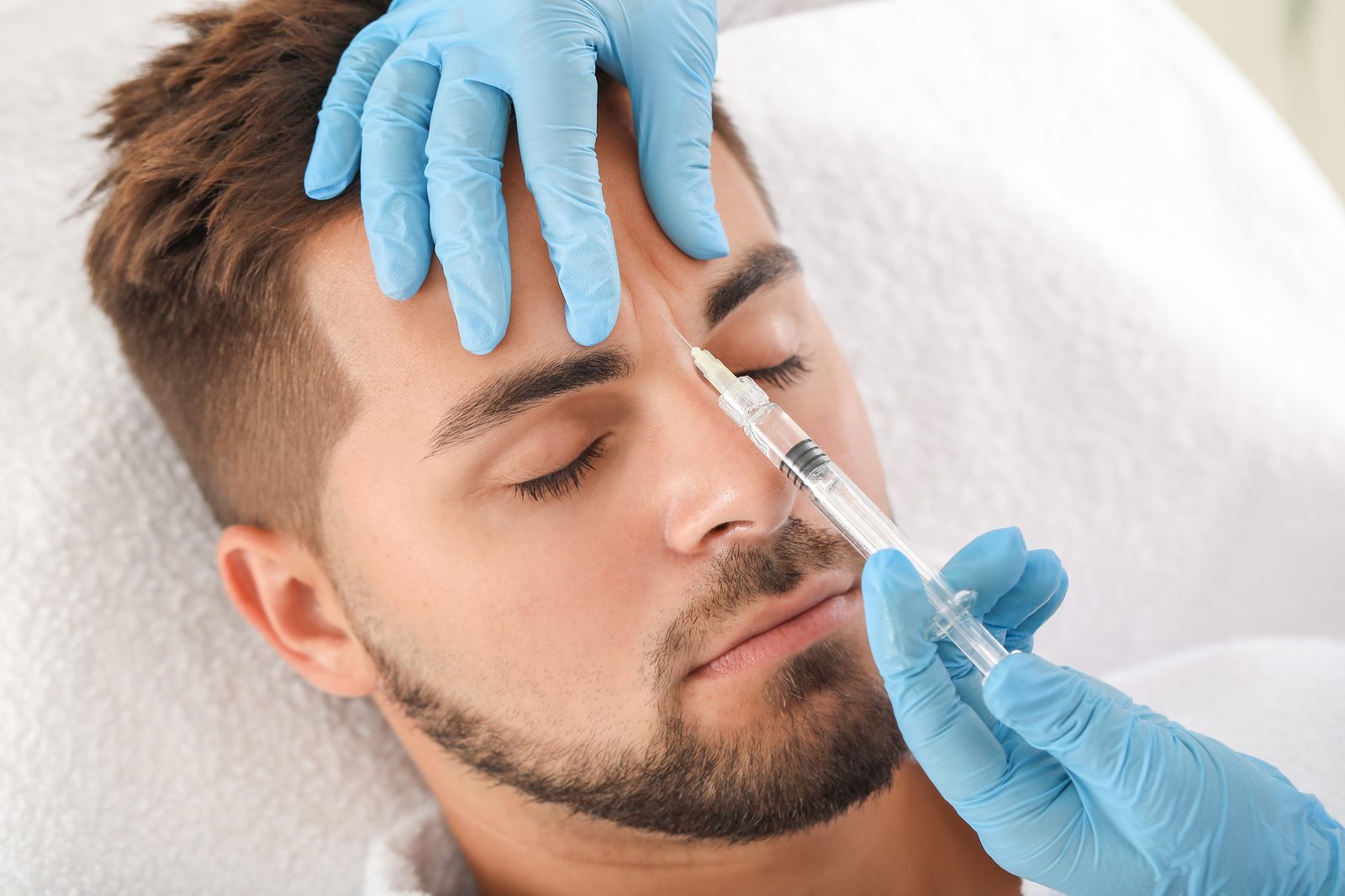
Both are used cosmetically for areas such as frown lines between the brows, forehead lines, and crow’s feet. Both are administered as a series of small injections in a short in-office appointment with no required downtime.
How They Differ
The most commonly cited difference is onset. Many patients notice Dysport beginning to take effect slightly sooner, often within two to three days, while Botox more typically becomes noticeable around three to five days. Both reach full effect at roughly two weeks.
Diffusion is the other frequently discussed difference. Dysport is generally described as spreading a little more from the injection point. That can be an advantage across broader areas such as the forehead, and a reason for more caution in small, precise zones where unwanted spread is undesirable.
The units are also not equivalent. Dysport is dosed differently from Botox, so a larger number of units does not mean a stronger treatment or a higher price. Comparing quoted unit counts between the two products without accounting for this is misleading.
How Long Each Lasts
Both products typically last somewhere in the range of three to four months, though this varies meaningfully between individuals. Metabolism, muscle strength, dose, treatment area, and how consistently you have been treated all influence duration.
Some patients report slightly longer duration with one product than the other, but the research does not establish a clear winner. Personal response is often the most reliable guide, which is part of why some people try both over time.
Choosing Between Them
For most people, either product will produce a satisfying result in experienced hands. Injector skill, dosing, and placement matter considerably more than brand.
That said, a few factors reasonably tip the decision. Larger treatment areas such as the forehead may suit Dysport’s diffusion characteristics. Precise work in smaller areas may favor Botox. Patients who have plateaued on one product sometimes respond well to switching, though true resistance is uncommon.
Cost per treatment can differ depending on how each practice prices units, so it is worth asking about total treatment cost rather than per-unit cost. Our neuromodulator treatments are planned around your anatomy and goals rather than a fixed template.
What to Expect and Possible Side Effects
Treatment usually takes fifteen to thirty minutes. Most people describe brief, minor discomfort at each injection point. You can generally return to normal activities immediately, though providers commonly advise avoiding lying flat, vigorous exercise, and rubbing the treated area for several hours afterward.
Common temporary side effects include small bruises, redness or swelling at injection sites, mild headache, and tenderness. These typically resolve within a few days.
Less common effects include temporary drooping of an eyelid or brow, asymmetry, or an unintended change in expression. These are generally related to product placement or spread and resolve as the effect wears off, though that can take weeks. Rare but serious effects can occur if the toxin spreads beyond the treatment area, including difficulty swallowing or breathing, which requires immediate medical attention.
These are prescription treatments that require evaluation by a qualified provider. They are not appropriate during pregnancy or breastfeeding, or for people with certain neuromuscular conditions or allergies to product components.
Getting Treated in Virginia Beach
The most useful step is a consultation where your facial anatomy, muscle strength, and goals are assessed before any product is chosen. Results vary between individuals, and the aim is a natural softening rather than a frozen appearance. You can contact Optimal Well MD to schedule a consultation.
Book Botox or Dysport at Optimal Well MD
Physician-led care with Dr. Nancy Ferrel and team in Virginia Beach. Same-week appointments are often available.
This article is for general educational purposes and is not medical advice. Treatments referenced require evaluation by a qualified provider. Individual results vary. Please consult Optimal Well MD or your physician about your specific situation.