Hormone imbalance is a phrase used loosely, but the underlying issue is real: when estrogen, progesterone, thyroid hormone, cortisol, or testosterone drift out of their usual range, the effects show up across your entire body. The tricky part is that the symptoms overlap with stress, aging, and a dozen other conditions. At Optimal Well MD in Virginia Beach, Dr. Nancy Ferrel and team use symptom patterns alongside lab work to identify what is actually driving how you feel.
Ready to book your Hormone Evaluation appointment in Virginia Beach? A full symptom review plus targeted lab work identifies what is actually driving how you feel.
Book Your Hormone Evaluation Appointment See Hormone Evaluation details & pricing
Why Hormones Affect So Much
Hormones are chemical messengers that regulate metabolism, reproduction, mood, sleep, temperature, and how your body uses energy. They operate in feedback loops, so a change in one system frequently ripples into others.
That interconnection explains why hormone-related symptoms rarely arrive alone. A thyroid issue can affect menstrual cycles. Chronic stress and elevated cortisol can suppress reproductive hormones. Perimenopause can worsen sleep, which then worsens mood and appetite regulation.
Ten Signs Worth Paying Attention To
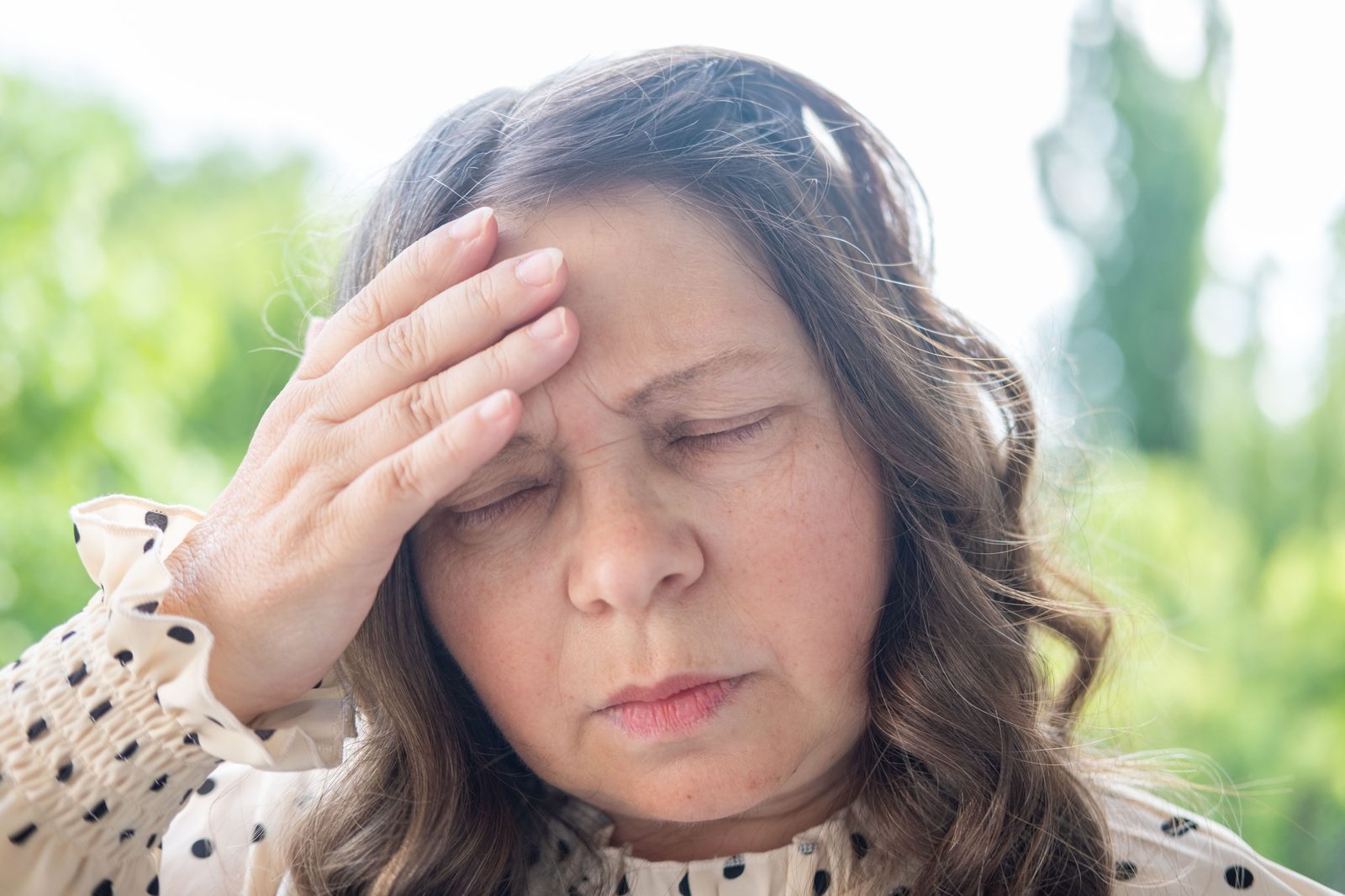
No single item below confirms anything. What tends to be meaningful is a cluster of several that developed over months and have not responded to changes in sleep, stress, or diet.
- Irregular, unusually heavy, or absent menstrual periods
- Fatigue that persists despite adequate sleep
- Unexplained weight change, especially around the midsection
- Hot flashes, night sweats, or new temperature sensitivity
- Mood swings, anxiety, irritability, or low mood
- Trouble falling asleep or staying asleep
- Reduced libido or vaginal dryness
- Hair thinning, hair loss, or new unwanted hair growth
- Skin changes such as adult acne or increased dryness
- Brain fog, poor concentration, or memory lapses
What Commonly Causes These Shifts
Perimenopause and menopause are the most frequent explanations in women over roughly 40. Hormone levels fluctuate unpredictably during perimenopause, which is why symptoms can come and go rather than steadily progress.
Thyroid disorders are another common cause and are easily missed, since hypothyroidism produces fatigue, weight gain, cold intolerance, and low mood that look like many other things. Polycystic ovary syndrome affects a significant share of women of reproductive age and drives irregular cycles, acne, and unwanted hair growth.
Chronic stress, poor sleep, significant weight change, certain medications including hormonal contraception, and conditions such as diabetes can all shift hormone levels as well. Postpartum hormonal changes deserve their own consideration.
How an Evaluation Works
A useful workup starts with history rather than labs: what you are experiencing, when it started, how it has changed, your cycle pattern, your sleep, your medications, and your family history.
Testing is then targeted to what the history suggests. That may include thyroid panels, estradiol, progesterone, FSH and LH, testosterone, prolactin, and metabolic markers such as fasting glucose and A1c. Timing matters for some tests, since several hormones vary across the menstrual cycle and across the day.
Results are interpreted against your symptoms rather than in isolation. Two women with nearly identical numbers can feel completely different, and a value inside the reference range does not automatically mean everything is fine for you.
What Treatment Can Look Like
Treatment depends entirely on the cause. A thyroid disorder is treated differently from perimenopause, which is treated differently from PCOS. This is why a diagnosis matters more than a general hormone product.
Options may include addressing sleep and stress, nutritional and exercise changes, treating an underlying thyroid or metabolic condition, or hormone therapy where appropriate. Our women’s hormone therapy program begins with an evaluation to determine which of these fits your situation.
Hormone therapy is a prescription treatment with real contraindications, including a history of hormone-sensitive cancers, blood clots, or unexplained bleeding. Possible side effects include breast tenderness, bloating, mood changes, headaches, and spotting. Whether the potential benefit outweighs the risk is an individual calculation.
When to Seek Evaluation
If several of the signs above have persisted for more than a few months and are affecting your daily life, testing is a reasonable next step. It can also rule out causes that need entirely different treatment.
Certain symptoms warrant prompter attention: very heavy bleeding, bleeding between periods or after menopause, a rapidly enlarging neck, severe mood changes, or any thoughts of self-harm.
Talking It Through in Virginia Beach
Feeling persistently unlike yourself is reason enough to get evaluated, even if you are not sure hormones are the cause. Dr. Nancy Ferrel and team can review your symptoms and order appropriate testing. You can contact Optimal Well MD to schedule a consultation.
Book Hormone Evaluation at Optimal Well MD
Physician-led care with Dr. Nancy Ferrel and team in Virginia Beach. Same-week appointments are often available.
This article is for general educational purposes and is not medical advice. Treatments referenced require evaluation by a qualified provider. Individual results vary. Please consult Optimal Well MD or your physician about your specific situation.